Source hunting dog gps tracker for hunting, walking, and training
Find and compare 30 hunting dog gps tracker options with features like GPS tracking, 4G connectivity, and two-way audio. Buyers can evaluate models from various Chinese manufacturers to find the right solution for hunting, walking, and training applications.
Key considerations
Products List




Comprehensive Sourcing Guide
Strategic Sourcing Guide for Hunting Dog GPS Trackers
Understanding the Technical Landscape of Pet Tracking Devices
When sourcing a hunting dog GPS tracker, buyers must navigate a complex array of technical specifications that directly influence field performance. The core functionality of these devices extends beyond simple location tracking. Based on observed product attributes, modern units often integrate multiple communication protocols, including 4G and 2.4GHz WiFi networking, to ensure connectivity in remote hunting grounds where cellular coverage may be intermittent. The hardware architecture is equally critical; high-performance models utilize specific master chips, such as the Rk1103bg2, to manage data processing and power efficiency.
The imaging capabilities of these trackers vary significantly. Some units are equipped with advanced image sensors like the Sc200ai and lenses rated at 2.8mm/F2.0, offering a resolution of 2MP (1920*1080). This allows for real-time photo viewing and video verification of the animal's location, a feature that is particularly valuable for hunters needing to confirm the presence of game or the safety of their dog. However, not all devices in this category include a screen. A significant portion of the market offers "No Screen" configurations, relying entirely on mobile applications for data visualization. This design choice reduces the physical footprint and weight of the collar, which is essential for the comfort of the animal during long tracking sessions.
Battery capacity is another pivotal technical factor. The supply chain presents options ranging from 1,100mAh to 3,000mAh lithium batteries. A 3,000mAh capacity suggests extended operational life, which is preferable for multi-day hunting expeditions. Conversely, a 1,100mAh unit may require more frequent recharging but could offer a lighter form factor. The charging mechanism is also standardized in many cases, with magnetic charging requirements of DC 5V/2A being a common specification. Buyers must verify that the charging interface is robust enough to withstand the rugged conditions of outdoor use.
Compliance and Certification Verification
In the B2B procurement of electronic tracking devices, compliance with international safety and electromagnetic standards is non-negotiable. The products currently available in the market frequently carry certifications such as CE, FCC, and RoHS. These certifications indicate that the device meets specific requirements for electrical safety, radio frequency interference, and the restriction of hazardous substances. For buyers targeting markets in Europe, the CE mark is essential for legal distribution. Similarly, FCC certification is a prerequisite for selling in the United States, ensuring the device does not cause harmful interference to other radio communications.
The physical dimensions of the tracker also play a role in compliance and usability. Observed product standards list dimensions such as 858562mm for larger units and 63.5mm * 38mm * 18.5mm for more compact models. These variations suggest that manufacturers offer different form factors to suit different dog breeds and hunting styles. Buyers should verify that the physical size of the device does not impede the dog's movement or cause discomfort, which could lead to the animal removing the collar. Additionally, the weight of the unit, observed at 0.15kg for certain models, must be balanced against the battery capacity and feature set. A heavier device might offer longer battery life but could fatigue a smaller hunting dog over time.
Cost Drivers and Pricing Dynamics
The pricing structure for hunting dog GPS trackers is influenced by a combination of hardware complexity, connectivity features, and customization options. The observed price range in the market spans from $3.64 to $93.73 USD. This wide disparity reflects the difference between basic tracking collars and advanced units with integrated cameras, dual-band GPS, and cloud storage capabilities. The lower end of the spectrum likely corresponds to devices with single-band GPS and basic functionality, while the higher end includes models with 2MP resolution, 4G networking, and dual-band sub-meter GPS accuracy.
Minimum Order Quantity (MOQ) is another significant cost driver. The observed MOQ range varies from 1 to 500 units. For buyers testing the market or requiring small batches for specific training programs, suppliers offering an MOQ of 1 provide a low-risk entry point. However, for large-scale procurement, negotiating an MOQ closer to 500 can significantly reduce the per-unit cost. Customization is a key factor in pricing; many suppliers offer OEM options for color and branding. While customization adds value, it may also increase the unit price and extend lead times. Buyers must weigh the cost of branding against the potential for market differentiation.
Typical Applications and Functional Versatility
The application of hunting dog GPS trackers extends beyond simple location monitoring. These devices are designed for specific use cases, including home monitoring, training, and active hunting scenarios. The "Away Mode" and "Training Mode" working modes allow handlers to switch between different operational parameters depending on the environment. In training scenarios, the device might prioritize frequent location updates to ensure the dog stays within a designated area. In hunting mode, the focus shifts to long-range tracking and battery conservation.
The integration of fitness tracking features, such as walking and running logs, adds another layer of utility. This data helps handlers monitor the physical condition of the dog, ensuring it remains fit for the demands of the hunt. The storage capabilities of these devices, ranging from built-in 32GB to 256GB TF cards and cloud storage, ensure that historical data and media files are preserved. The use of platforms like Farknowcloud and applications such as GPS51 or Companioneye (for iOS/Android) facilitates seamless data access. These platforms often utilize Google Maps for visualization, providing a familiar interface for users to track their assets in real-time.
Supplier Evaluation and Product Differentiation
Evaluating suppliers requires a focus on product consistency and the ability to meet specific technical requirements. The market offers various product models, including the ST-Pet Tracker, VG09-PET10, and M1. Each model comes with distinct specifications regarding screen size, battery capacity, and GPS technology. For instance, the M1 model features dual-band sub-meter GPS, offering higher precision than single-band alternatives. Buyers should request detailed datasheets to compare these models side-by-side.
Packaging and origin are also critical evaluation criteria. Products are often shipped in export standard neutral packages or specific gift boxes, with origins primarily in China, including Shenzhen, Guangdong. The condition of the products is consistently listed as "New," but buyers should verify the warranty terms. A 2-year warranty is a common offering, indicating a manufacturer's confidence in the product's durability. However, the specifics of warranty coverage, such as whether it includes battery replacement or water damage, must be clarified. The closure type of the collar, often a break-away mechanism, is another safety feature that suppliers should be able to demonstrate. This ensures that if the dog gets caught on an object, the collar releases to prevent injury.
Quality Control and Durability Standards
Quality control in the manufacturing of GPS trackers is paramount, especially for devices used in harsh outdoor environments. The waterproof rating of IP66 is a standard specification observed in the market, indicating that the device is protected against dust and powerful water jets. This level of protection is essential for hunting in wet conditions or crossing streams. However, buyers should verify the actual testing protocols used by the supplier to ensure the IP66 rating is genuine and consistent across production batches.
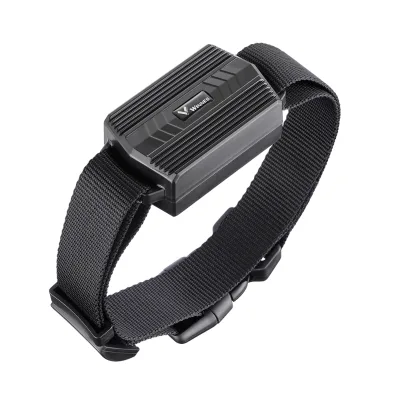
The construction of the collar itself, often described as a "break-away" type, is designed for safety. The material and the mechanism must be robust enough to withstand the pull of a dog while ensuring it releases under sufficient force. The color options, which can be customized via OEM, should also be evaluated for visibility and durability. For example, a green collar might be preferred for blending into forest environments, while a black collar might be chosen for a sleek, professional appearance. The condition of the product upon arrival should be inspected for any signs of damage, and the packaging should be sufficient to protect the device during transit.
Long-Term Procurement and Operational Considerations
Sourcing hunting dog GPS trackers is not a one-time transaction but a long-term partnership that requires careful planning. The availability of customization, including color and branding, allows buyers to create a unique product identity. However, the lead times associated with customization must be factored into the procurement schedule. The platform and app ecosystem are also critical for long-term success. Buyers should ensure that the software, such as the GPS51 app or Companioneye, is regularly updated and compatible with the latest mobile operating systems.
The server infrastructure, typically a cloud server, supports the real-time tracking functionality. Buyers should inquire about the server's uptime and data security measures to protect sensitive location data. The battery technology, whether 1,100mAh or 3,000mAh, will determine the operational lifespan of the device. As battery technology evolves, suppliers may offer upgrades that extend battery life or improve charging efficiency. Finally, the warranty terms, such as the 2-year coverage observed, provide a safety net for buyers. Understanding the terms of the warranty, including what is covered and the process for claims, is essential for managing long-term operational risks. By carefully evaluating these factors, buyers can secure a reliable supply of high-quality hunting dog GPS trackers that meet their specific operational needs.
FAQs
What certifications do hunting dog gps trackers typically have?
Most hunting dog gps trackers carry CE, FCC, and RoHS certifications. These marks confirm compliance with electrical safety, radio frequency standards, and hazardous substance restrictions for international markets.
Can I customize the color of the pet tracker collar?
Yes, customization is available for the color of the pet tracker collar. Suppliers often offer OEM options to match specific branding or visibility needs for hunting environments.
What is the minimum order quantity for these devices?
The minimum order quantity ranges from 1 to 500 units depending on the supplier. Buyers can test the market with low MOQs or negotiate better pricing for larger bulk orders.
How long is the warranty period for the tracker?
The standard warranty period for these trackers is 2 years. This coverage typically protects against manufacturing defects, though specific terms regarding battery or water damage should be verified.
Which battery capacity options are available for long hunts?
Available battery capacities include 1,100mAh and 3,000mAh lithium batteries. The larger 3,000mAh option is preferable for extended multi-day hunting expeditions requiring longer operational life.
What is the waterproof rating of the hunting tracker?
The devices generally feature an IP66 waterproof rating. This ensures protection against dust and powerful water jets, making them suitable for wet hunting conditions and stream crossings.